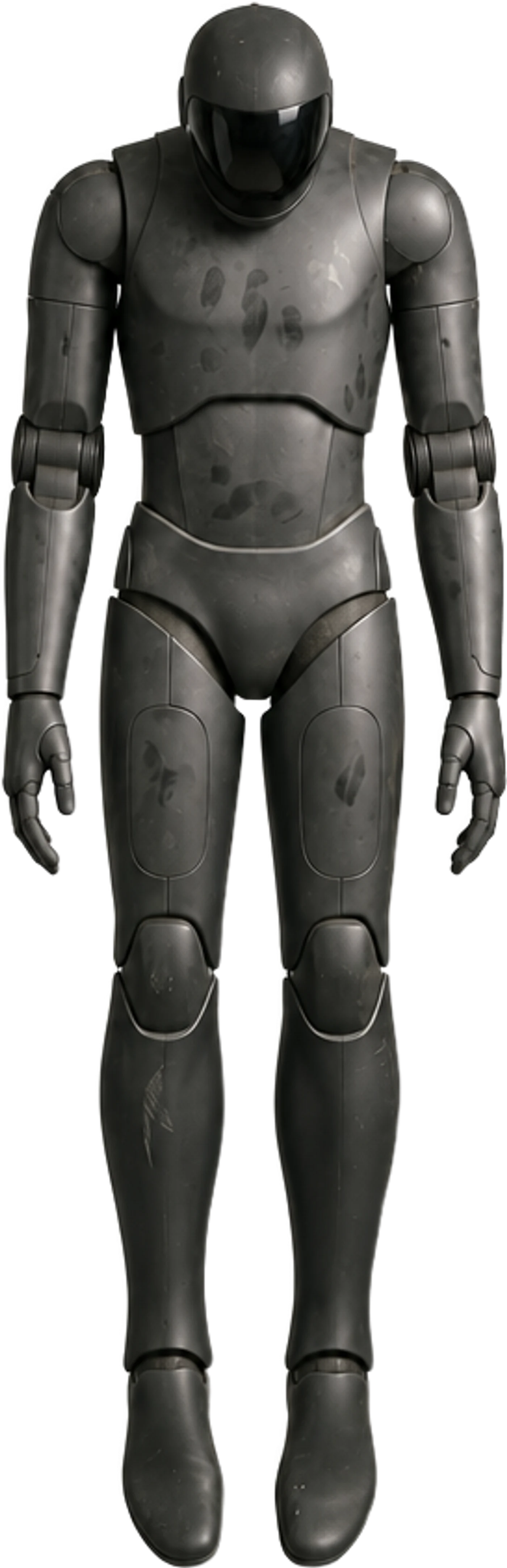
STATION 01 · CONCEPTBuilt
DropFly Robotics
Built.
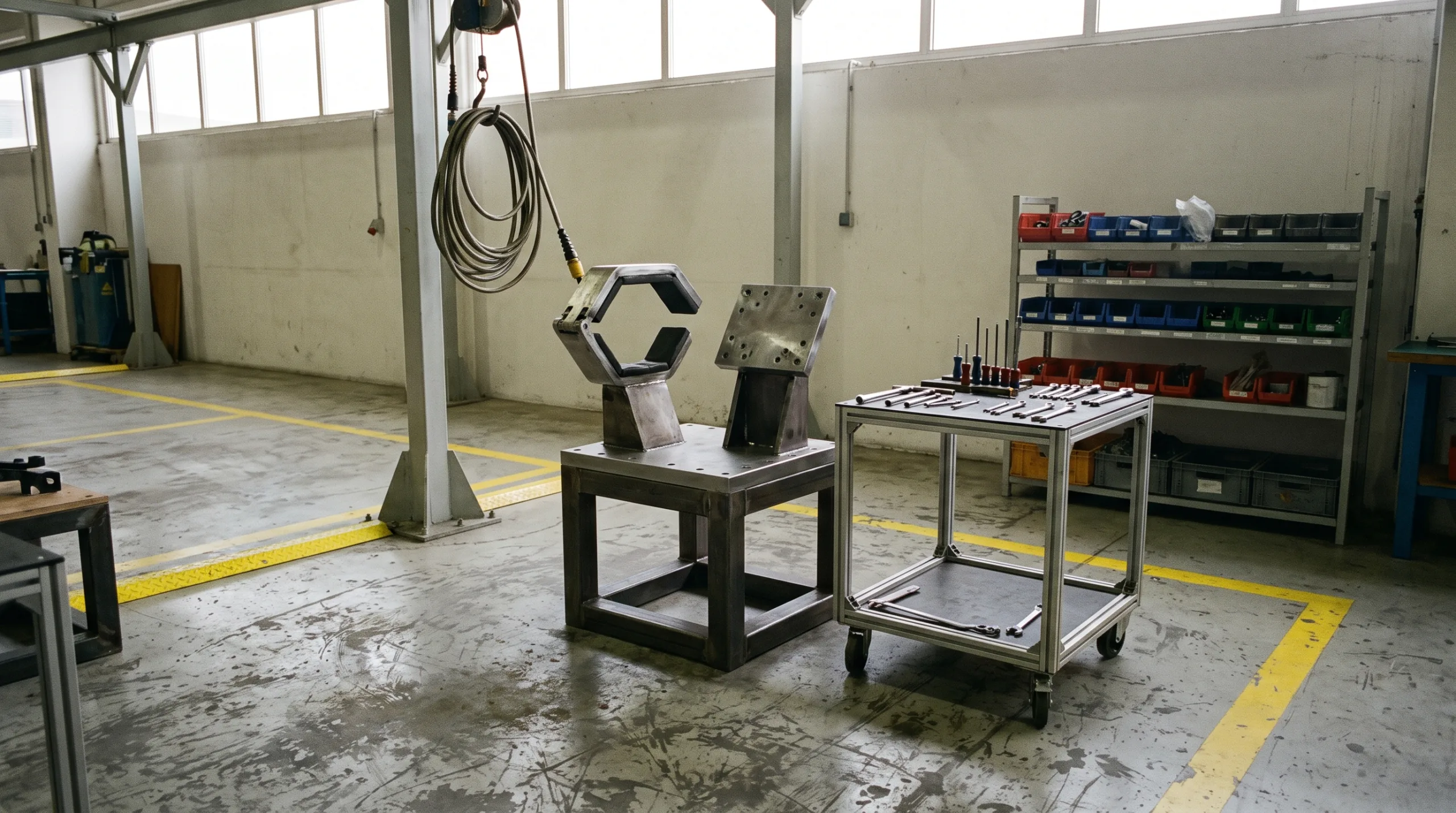
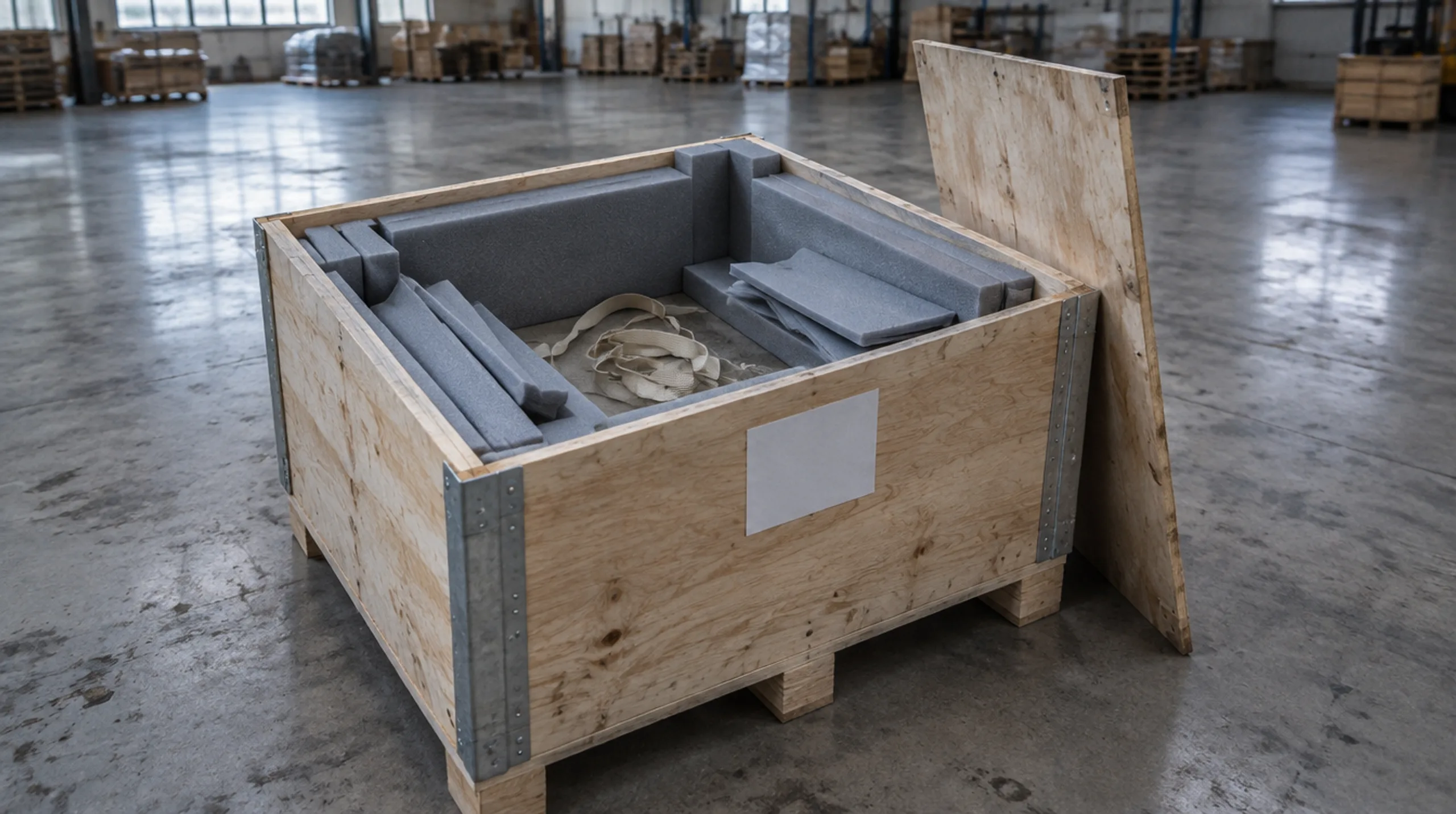
A humanoid comes off a line the way a car does. Torque checked, joints checked, power on, boxed. Every machine on that line passed the tests written by the people who built it.
DropFly Robotics
A humanoid comes off a line the way a car does. Torque checked, joints checked, power on, boxed. Every machine on that line passed the tests written by the people who built it.
You are not buying a piece of the company. No equity, no shares, no payout if this works. DropFly is a for-profit company, so it is not tax-deductible either. We keep it that way on purpose: we are asking robot companies to trust us to be neutral, and that is easier when we do not owe investors a return.
On 7 September 2026, XPeng’s IRON humanoid walked off a newly commissioned production line in Guangzhou under its own power, on a line where more than 80% of core processes are automated. Mass production is slated for this year, with the first units going to the company’s own stores and campuses and commercial delivery in 2027. None of the coverage records an independent safety evaluation anywhere in that sequence. Electrek, 7 Sep 2026 ↗
Cars have crash tests run by people who don't work for the car company. Medicines have trials someone outside the drug company signs off on. Restaurants get a health inspector who can shut the kitchen down. Buildings have inspectors. Planes have inspectors.
In every one of those, somebody outside the building is allowed to look, and allowed to say no.
Robots don't have that yet. A company builds a robot, tests it itself, decides it's ready, and ships it into a warehouse where people work. There's no outside inspector, because the job doesn't exist. Nobody has built it.
That's not a scandal. It's just early. Somebody has to be first, and we'd like it to be us.
We're not making our own robot. That's the point, we have nothing to gain from any particular robot passing. Our whole value is that we're not on anyone's team.
Not just "did it work" but "was it supposed to?" Every action the machine takes gets checked against what it actually had permission to do, and written down so somebody can look later.
Anything works in a tidy lab. We run the awkward situations, the ones a real warehouse or a real hallway will produce, so the failures happen with us instead of with somebody's employee.
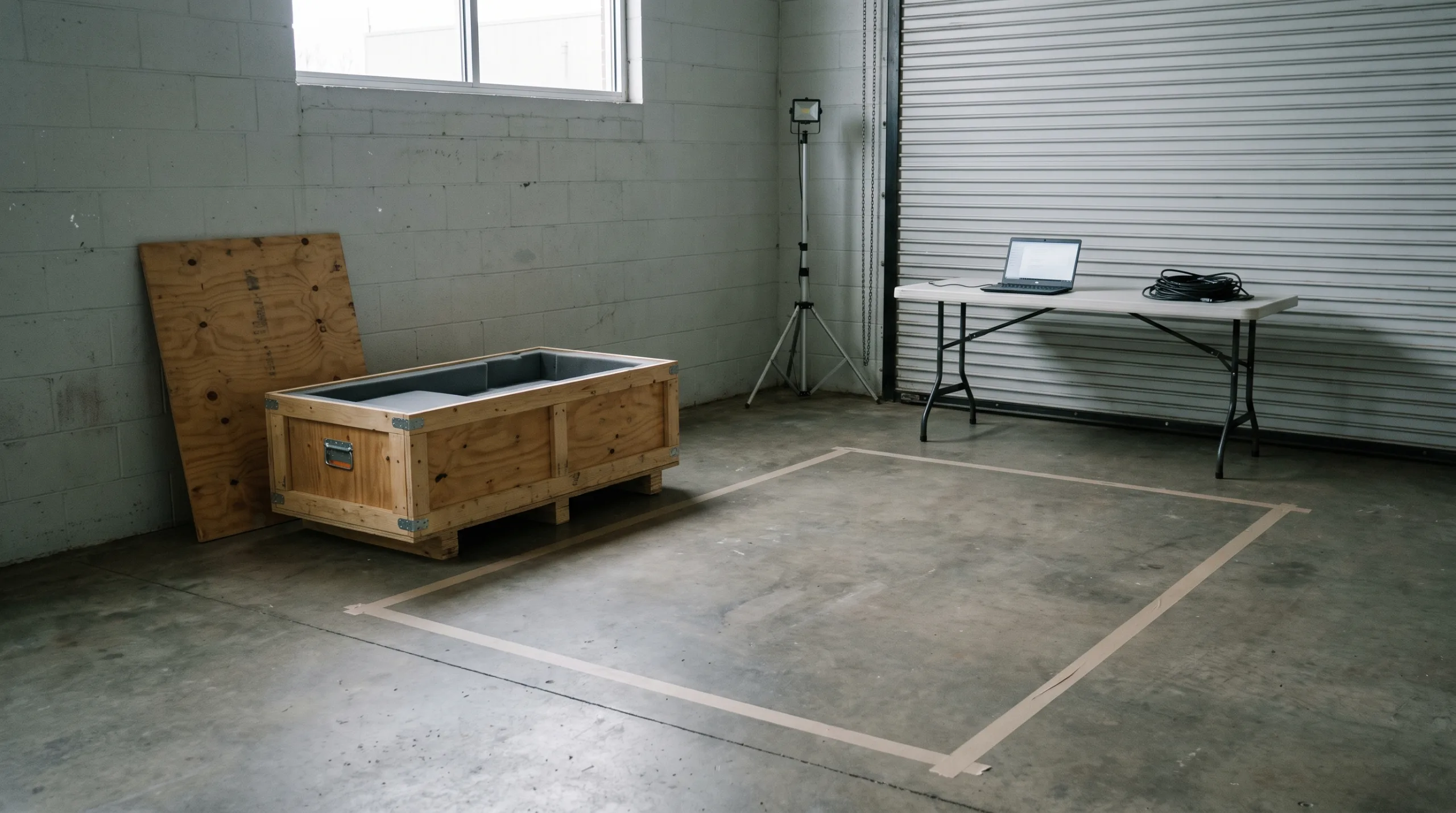
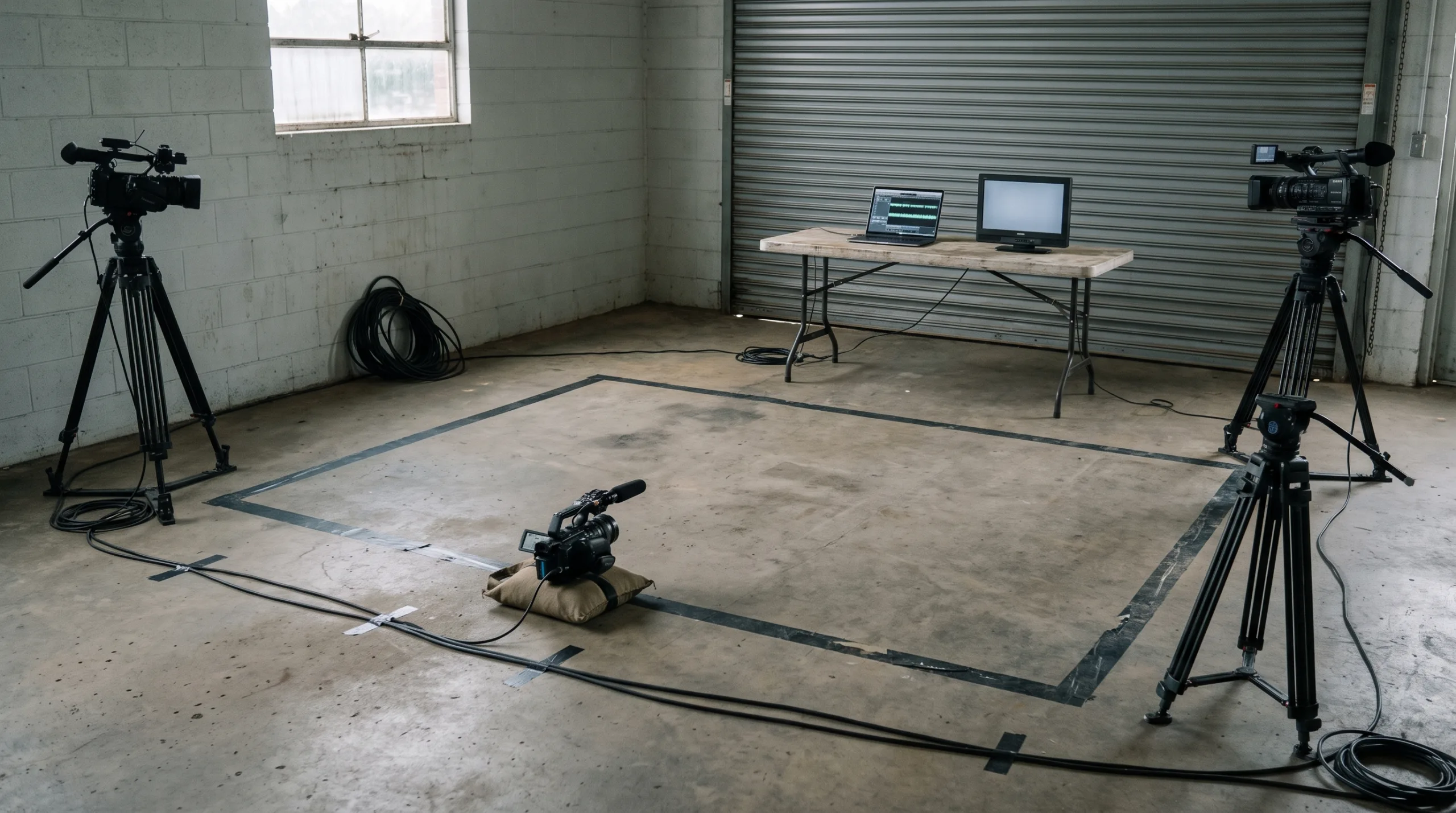
A test starts in an ordinary room. The robot is given a job. Two of us watch what it does and write down what happened, not just whether it finished, but whether it was ever allowed to do what it did.
Then we look through the robot's eyes. Before it ever moves in a real room, it runs the same job hundreds of times inside a simulated one, a room we built specifically to give it trouble. This is roughly what it sees: shapes it has decided are objects, boxed and tracked, and a floor it thinks it understands.
And then the part nobody else publishes. Below is a real run out of our own harness, ten trials of one scenario. The quick automatic check called every single one a failure. A panel of three independent judges looked at the same ten and refused to sign four of them.
Honest caveat, because it matters more than the chart: the thing being tested here is a stand-in, not a real robot brain. The harness is real and these numbers are real. A real robot brain needs a machine we don't own yet, which is what the $25,000 buys.
Not a lab. We're not going to pretend otherwise, a small industrial unit in Los Angeles runs $2,500–3,000 a month before you've built anything in it, so a year of rent alone would eat this whole raise. We haven't earned a lease yet.
What it buys is a bench that can actually test the robot brains companies are shipping today, rather than toy versions of them. That runs in a garage, and it's enough to produce results nobody else is producing.
No salaries. No rent. No software subscriptions. Every dollar is equipment that still exists after the raise is over.
The direction, the engineering, the test rigs, and the harness that produced the record at the top of this page.
The operations, the partnerships, and making the case that an independent standard should exist at all.
We're two Black founders building the referee for an industry that has almost none of us in it. If this exists, you helped make it exist, and that's a thing you'll be able to point at.
Anonymous by design, amounts and timing only. We never publish who backed us.
Last 10 contributions · amounts and reward tier only · no names, emails or locations are collected or shown here.
Made through MerchFly, our own merch studio real blanks, printed properly. The amounts are minimums, not prices. If you'd rather just back the work and skip the merch, name your own amount from $1 up.
Six-panel cap, adjustable strap, mark on the front panel. One size.
Back at $100+Heavyweight brushed fleece, streetwear cut, left-chest mark. S–XXL.
Back at $500+Size chosen at checkout · ships once we place the order · every backer gets the lab updates.